
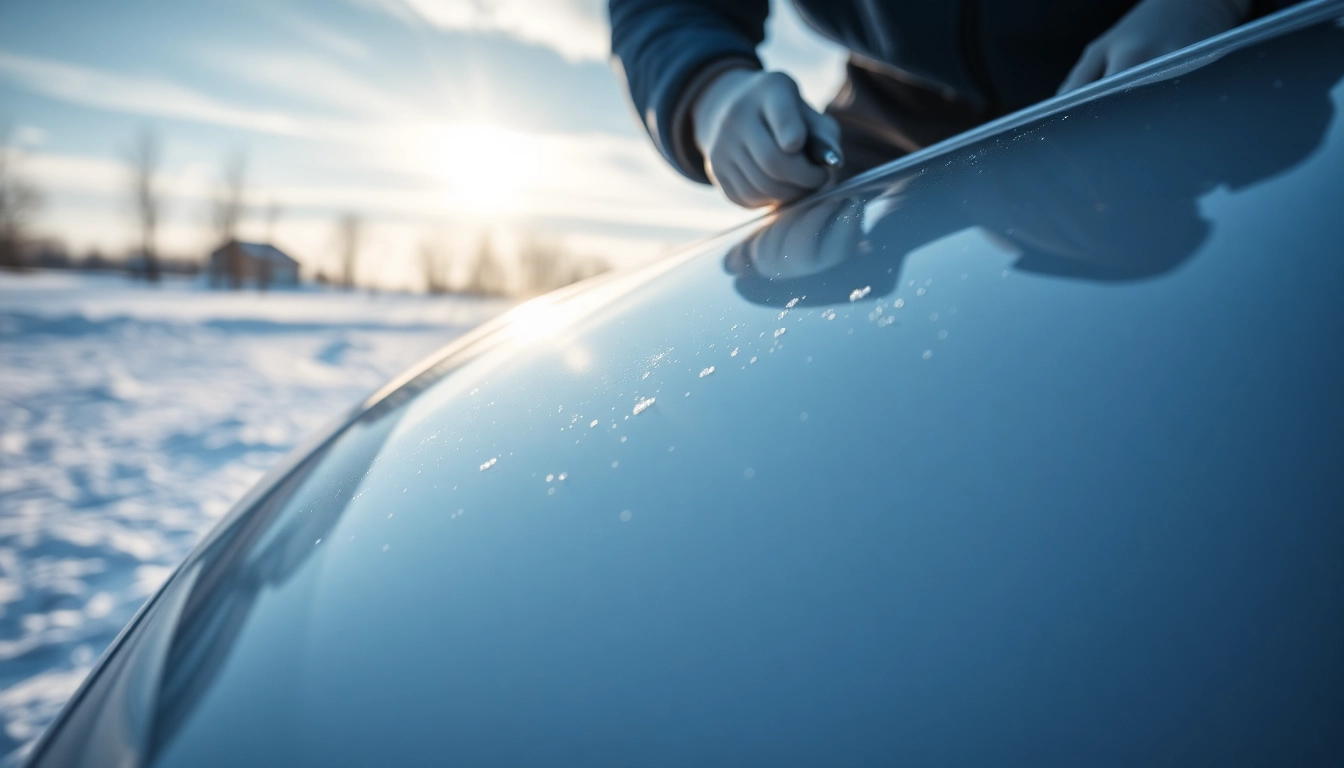
Understanding PPF Winter Road Salt Protection
As winter approaches, vehicle owners often worry about how harsh weather conditions and road treatments can damage their cars. One of the most significant threats during this season is road salt, which is commonly used to melt ice but can cause substantial harm to your vehicle’s paint and metal surfaces. This is where PPF winter road salt protection comes into play. Paint Protection Film (PPF) provides a robust shield that not only safeguards your vehicle’s aesthetic appeal but also enhances its longevity against winter’s brutal realities.
What is PPF?
Paint Protection Film (PPF) is a clear, thermoplastic urethane film applied over the painted surfaces of vehicles to protect against various forms of damage, including scratches, chips, and stains. Typically, PPF is clear, meaning it maintains the original look of your vehicle while providing an invisible layer of defense. The film is designed to absorb impacts from road debris, UV rays, and environmental contaminants, ensuring that the underlying paint remains untouched and undamaged.
Importance of Winter Protection
Winter conditions pose unique challenges to vehicle maintenance. Road salt, while effective for de-icing roads, can lead to rust and corrosion when it accumulates on your vehicle’s surface. Additionally, the combination of moisture from rain or snow and the chemical elements in road salt accelerates the deterioration process. PPF serves as a critical line of defense, allowing vehicle owners to preserve the appearance and integrity of their cars during this demanding season.
How Road Salt Affects Vehicle Surfaces
Road salt can create dangerous corrosion on vehicle surfaces. When salt crystals come into contact with metal, particularly when combined with moisture, they can lead to oxidation and rust formation. This process not only damages the appearance of your vehicle but also compromises its structural integrity over time. Vehicles exposed to these conditions without proper protective measures may face costly repairs due to rust damage, making PPF a worthwhile investment for winter protection.
Benefits of PPF in Winter Conditions
Defensive Shield Against Corrosion
The primary advantage of PPF is its ability to act as a barrier against corrosive elements. By applying PPF, you minimize the direct contact between road salt and the vehicle’s paint. This proactive approach significantly reduces the risk of rust and corrosion, helping to maintain the car’s value and ensuring that it remains in excellent condition.
Enhancing Vehicle Aesthetics
Aside from protection, PPF enhances the visual appeal of your vehicle. The film is designed to be virtually invisible, allowing the vibrant color and shine of your paint to shine through. Chipped paint can detract from the appearance of your vehicle, but with PPF, you can enjoy peace of mind knowing your car is shielded from potential damage that could affect its overall look.
Cost-Efficiency Over Time
Investing in PPF may seem costly upfront, but it is a cost-effective solution in the long run. The expenses associated with repainting or repairing a car damaged by road salt can far exceed the initial investment you make in PPF. By preventing potential damage, PPF can significantly reduce repair costs and maintain the resale value of your vehicle.
Applying PPF: Step-by-Step Guide
Preparation of Vehicle Surface
Before applying PPF, it’s crucial to thoroughly clean the vehicle surface. Start by washing the car with soap and water to remove dirt and grime. Follow this by decontaminating the paint with a clay bar, which will eliminate any embedded contaminants. After cleaning, ensure the surface is completely dry to facilitate proper adhesion.
Application Techniques
There are two main application techniques for PPF: a wet method and a dry method. The wet method involves using a solution to lubricate the film and surface, allowing for adjustments during placement. In contrast, the dry method requires precise placement on the surface. Regardless of the technique used, it is essential to apply the film slowly and carefully to prevent bubbles and wrinkles, which can compromise the film’s effectiveness.
Post-Application Care
Once PPF is applied, it’s essential to allow the film to cure properly. Avoid washing the vehicle for at least 48 hours to enable the adhesive to set. After the initial curing period, to maintain the film, wash the vehicle gently with pH-neutral car soap and avoid abrasive materials. Regular maintenance checks will ensure longevity and effectiveness in protecting against winter elements.
Choosing the Right PPF for Your Needs
Types of PPF Available
Not all PPF is created equal; therefore, understanding the types available is integral to making an informed decision. There are matte and gloss finishes, each serving distinct aesthetic preferences. Additionally, some films come with self-healing properties, which can repair minor scratches when exposed to heat, providing added value for those concerned about maintaining their vehicle’s appearance.
Factors to Consider in Selection
When choosing PPF, consider factors such as thickness, clarity, and warranty. A thicker film can offer more protection but may affect clarity. It’s also essential to select a film with a durable warranty and ensures that it can withstand various environmental conditions, particularly those associated with winter weather.
Comparing Quality and Price
Quality should drive your purchasing decision when it comes to PPF. While it might be tempting to opt for a lower-priced option, this approach can lead to higher maintenance costs and potential vehicle damage. Look for films that have been researched and tested for durability, UV resistance, and self-healing features to ensure you’ll get the best protection throughout the winter months.
FAQs about PPF Winter Road Salt Protection
How long does PPF last?
Generally, PPF can last between 5 to 10 years with proper care and maintenance. Factors such as exposure to sunlight and environmental conditions can affect its longevity.
Can I install PPF myself?
While DIY installation is possible, it can be challenging. Professional installation is recommended to ensure proper application and to avoid potential issues like bubbles or misalignment.
Is PPF effective against scratches?
Yes, PPF is designed to absorb impacts and can protect against minor scratches. High-quality films may have self-healing properties that make superficial scratches disappear with heat.
What are the maintenance requirements for PPF?
Maintenance is minimal but crucial. Regular washing with pH-neutral soap and avoiding automatic car washes with brushes will help maintain the integrity of PPF.
Does PPF change the car’s appearance?
No, PPF is designed to be transparent and will not alter your vehicle’s original color or finish. It enhances the paint’s gloss and protects against fading and discoloration.
