
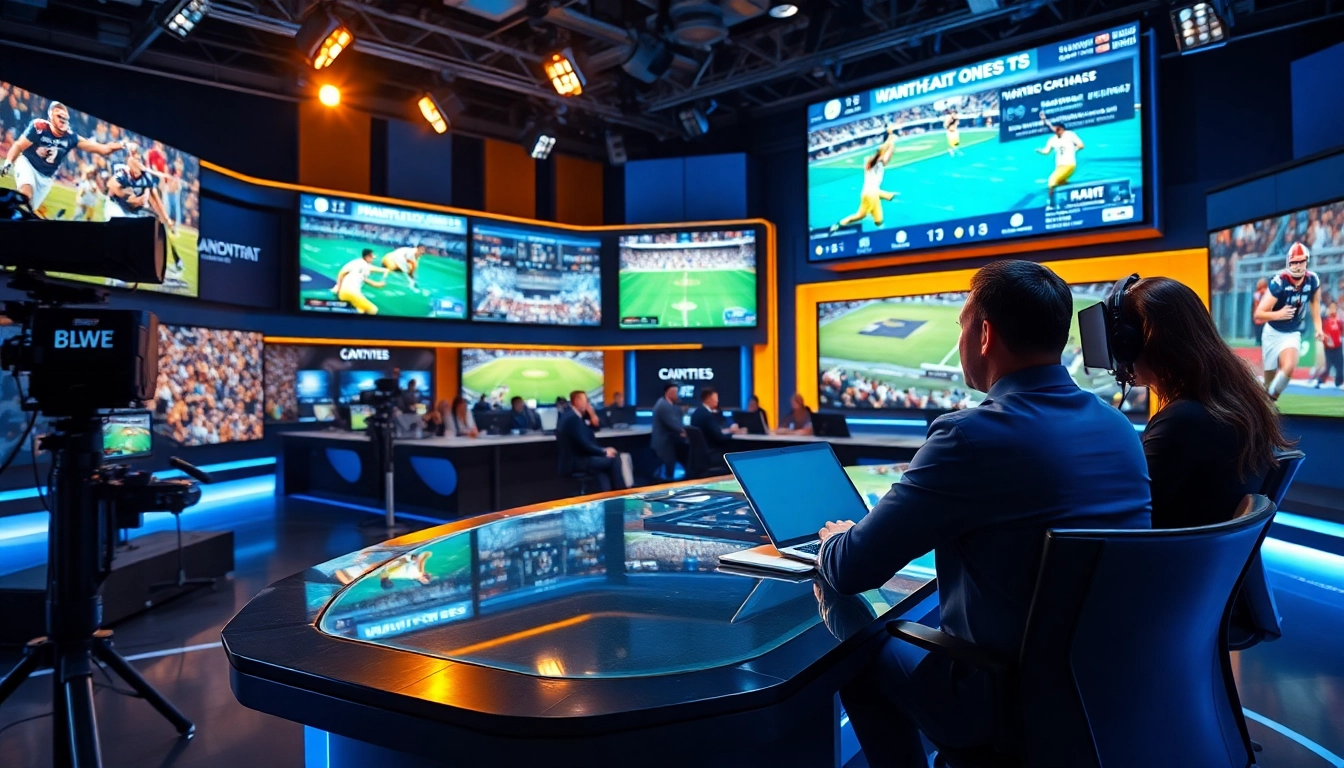
Understanding the Essentials of Sports Broadcasting
What is Sports Broadcasting?
Sports broadcasting is a dynamic field that encompasses the transmission of live or recorded sports events to an audience via various platforms, such as television, radio, and digital media. The objective is not only to convey the action of the game but also to create an engaging experience that resonates with fans, educating them on strategies, players, and the sport itself. In recent years, the rise of digital platforms has revolutionized the way content is consumed, leading to diverse avenues for Sports Broadcasting. The integration of analytics, cinematography, and viewer interactivity is now at the forefront of this evolution, making every broadcast a multi-layered experience both for die-hard fans and casual viewers.
The Role of Technology in Sports Broadcasting
Technology is the backbone of modern sports broadcasting. The shift from analog to digital transmission has enhanced the quality of broadcasts significantly. High-definition video and advanced audio technologies create immersive viewing experiences. Moreover, innovations like augmented reality (AR) and virtual reality (VR) allow fans to engage in ways that were previously unimaginable. Graphics packages seamlessly integrate live statistics and player information into broadcasts, enriching viewer understanding and engagement.
Furthermore, satellite broadcasting and fiber-optic technology facilitate real-time communication and the capability to broadcast from remote locations, ensuring that fans across the globe can tune into significant events live. As technology continues to advance, so too will the potential for enhanced sports storytelling and viewer immersion.
Key Elements of a Successful Broadcast
Successful sports broadcasting hinges on several key elements. Effective commentary plays a pivotal role in conveying the excitement of live sporting events. Skilled commentators provide insights that enhance viewers’ understanding of the game, describe actions vividly, and build excitement around pivotal moments. Alongside commentary is the importance of production quality. High-quality cameras, diverse camera angles, and balanced audio make a difference in viewer satisfaction.
Another crucial factor is viewer interaction. Incorporating social media feedback, live polls, and interactive content creates a community atmosphere. Broadcasters that embrace these elements not only maintain viewer interest but can also drive higher ratings and engagement metrics.
Current Trends in Sports Broadcasting
Live Streaming and Digital Platforms
The transition to live streaming has redefined viewing habits, pushing traditional broadcasters to evolve. Platforms like YouTube, Twitch, and specialized sports networks are gaining traction for streaming games and providing tailor-made content for niche audiences. This shift not only allows fans to watch games on demand but also offers opportunities for customized viewing experiences. For instance, many digital platforms offer multiple camera angles or expert commentary options, catering to diverse preferences.
Interactive Viewer Experiences
Interactivity is a major component of contemporary sports broadcasting. Fans are no longer passive consumers; they want to engage. Broadcasters are integrating features that allow viewers to interact during a game, such as voting on plays, participating in fantasy leagues, or even influencing gameplay through real-time data analytics. This creates a personalized broadcasting experience, drawing more viewers and retaining their loyalty.
Data Analytics and Audience Engagement
The use of data analytics is revolutionizing how broadcasters understand their audience. By analyzing viewer behavior, demographic information, and engagement levels, sports broadcasters can tailor content effectively. Metrics such as viewership numbers, social media interactions, and audience retention rates inform strategies that engage viewers and drive ratings. This data-centric approach can optimize content delivery, ensuring that broadcasts resonate with audiences while anticipating their needs.
Best Practices for Sports Broadcasting
Content Strategy and Planning
A well-structured content strategy is essential for successful sports broadcasting. It begins with identifying the target audience and understanding their preferences. The content should not only include game coverage but also behind-the-scenes footage, player interviews, and expert analysis.
Planning involves scheduling broadcasts around major sports events while also filling gaps with relevant content that enhances the viewer experience. Additionally, maintaining a consistent schedule creates reliability and builds viewer habits.
Quality Control and Broadcasting Standards
Upholding high broadcasting standards is critical. This involves not only technical quality regarding visuals and audio but also the integrity of the content being provided. Ethical journalism practices must be followed, ensuring that the information presented to viewers is accurate and fair. Regular training for staff regarding broadcasting standards and compliance regulations plays an essential role in maintaining the quality of broadcasts.
Building Effective Relationships with Teams
Cultivating strong relationships with sports teams and organizations is paramount for gaining access to exclusive content, interviews, and behind-the-scenes experiences. Establishing trust enables broadcasters to create more compelling narratives and elevate viewer engagement. Collaboration with teams can manifest in various ways, from joint marketing campaigns to hosting events that promote both the broadcast and the sport.
Challenges in Sports Broadcasting
Navigating Licensing and Legal Issues
Licensing and legal challenges are inherent in sports broadcasting. Broadcasters must secure rights to air events which often involves navigating complex negotiations with leagues and associations. Understanding the landscape of broadcasting laws and compliance regulations in different regions is crucial for ensuring broadcasts are both legal and ethical.
Ongoing legal battles around copyright issues also arise; hence, staying informed and having strategic legal advice can mitigate risks associated with these challenges.
Dealing with Audience Saturation
As more platforms flood the market, audience saturation becomes a significant concern. Broadcasters must find unique selling propositions to differentiate their offerings. This could be through unique content, superior production quality, or enhanced viewing experiences. It's essential to continuously innovate to keep the audience engaged and reduce churn rates.
Maintaining Broadcast Quality in Live Events
The unpredictability of live events poses unique challenges. Technical glitches, unpredictable weather, and unforeseen incidents require broadcasters to have robust contingency plans. Regular drills and proactive testing of equipment can help mitigate risks. Additionally, having a skilled technical team ready to address issues in real-time can maintain broadcast quality even in adverse conditions.
Future of Sports Broadcasting
Emerging Technologies Shaping the Future
As technology evolves, so does the landscape of sports broadcasting. Innovations such as artificial intelligence (AI) and machine learning are being applied to automate certain aspects of broadcasting, such as highlights generation and audience analytics. AI's predictive capabilities can shape personalized viewer experiences, enhancing engagement by suggesting content viewers might appreciate.
Adapting to Changing Viewer Preferences
Sports audiences are rapidly changing, moving towards on-the-go, mobile-friendly content. Broadcasters must adapt to these preferences by creating platforms that offer seamless access to live events and customizable viewing options. Staying attuned to viewer feedback and preferences guides the development of compelling broadcasts that meet audience demands.
Predictions for Sports Broadcasting Industry Trends
The future of sports broadcasting is poised for transformative shifts. With advancements in technology, the integration of immersive experiences like augmented and virtual reality will likely reshape how fans interact with their favorite sports. Moreover, partnerships between traditional broadcasters and digital platforms may provide multi-channel options, enhancing accessibility for fans worldwide. Flexibility and innovation will be key drivers as the industry evolves in the coming years.
Frequently Asked Questions
What are the primary platforms for sports broadcasting?
The primary platforms include traditional television, radio, and a growing number of digital streaming platforms such as YouTube, Hulu, and Twitch. Each offers unique viewing experiences tailored to varying audience preferences.
How does technology enhance sports broadcasting?
Technology enhances sports broadcasting through high-definition visuals, immersive audio, enhanced analytics, and features like augmented and virtual reality, creating engaging experiences for viewers at home.
What is the importance of commentary in sports broadcasting?
Commentary adds context and excitement, helping viewers understand the game while enhancing the overall experience. Skilled commentators can elevate a broadcast significantly, offering insights and building engagement.
What are some challenges in live sports broadcasting?
Challenges include technical difficulties, unpredictable events, licensing issues, and audience saturation. Broadcasters must implement contingency plans to maintain quality and ensure compliance with regulations.
How can broadcasters adapt to changing viewer preferences?
Broadcasters can adapt by leveraging viewer analytics to tailor content, enhancing mobile accessibility, offering interactive experiences, and consistently seeking viewer feedback to inform programming decisions.